I noticed a strange patch of skin on my sons ear, and with his doctor appointment still a week away
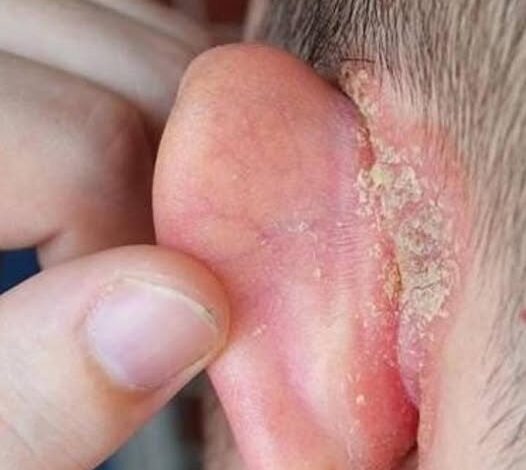
Seeing a strange patch of skin on your child’s ear is the kind of moment that jolts a parent’s instincts. Even if your son seems comfortable, even if he’s still laughing, playing, and unfazed, your mind runs ahead of you. You watch for changes. You tell yourself not to worry. And yet, with the doctor appointment still a week away, every hour feels like a small question mark hanging in the air. This is the space parents live in — the quiet tension between wanting to stay calm and wanting answers now.
The good news is that many childhood skin issues affecting the ears are common, treatable, and rarely urgent. The skin on and around the ear is thin, sensitive, and exposed to everything from weather changes to soaps, sweat, fabrics, and allergens. A patch of redness, dryness, flaking, or irritation often has simple explanations. Still, when the spot appears suddenly or looks unfamiliar, waiting for a medical evaluation can feel like a marathon in slow motion.
One of the most frequent causes of ear irritation in children is atopic dermatitis, more commonly known as eczema. It tends to flare in areas where the skin bends or rubs — behind the knees, inside elbows, along the neck, and of course, around the ears. When the patch shows up on or behind the ear, parents often mistake it for an infection or injury. Eczema can look dramatic even when it’s harmless: red, flaky, itchy, slightly raised, or scaly. Sometimes the area thickens a little, especially if the child has been rubbing it.
Eczema is essentially the skin’s way of saying that its barrier isn’t holding up as well as it should. Environmental triggers, dryness, irritants, allergens, weather shifts, or mild infections can all push it into a flare. Children with eczema often experience recurring patches in the same places, though the first appearance always feels alarming to a parent. The symptoms vary — mild redness, rough bumps, dryness, or flaky skin — and the itching can be the biggest problem. Itching leads to scratching, scratching leads to irritation, and irritation makes the patch look worse, which only heightens concern.
Although eczema is common and manageable, there are symptoms that deserve faster medical attention. Spreading redness, warmth, yellow or green crusts, oozing fluid, swelling, severe pain, or fever can signal infection. Scratched skin is more vulnerable to bacteria, and when bacteria get in, the irritation can shift from uncomfortable to serious if left untreated. These red flags aren’t typical of basic eczema, but they’re important to watch for until your appointment arrives.
While you wait for the doctor’s evaluation, keeping your child safe and comfortable becomes the priority. Gentle care makes the biggest difference. Cleansing the area with mild, fragrance-free products helps reduce irritation. Avoid scrubbing or rubbing the spot — friction only worsens inflamed skin. A cool compress can calm itching and swelling, and many children tolerate it well because it brings immediate relief.
Moisturizers or emollients are useful for protecting the skin barrier, especially thicker, fragrance-free creams or ointments. These create a surface barrier that keeps moisture in and irritants out. Hydrocortisone cream, when appropriate, can calm inflammation. Still, avoid using it on broken skin, inside the ear canal, or without guidance if you’re unsure. Pediatricians often recommend short-term use for mild eczema, but if something about the patch looks unusual or severe, waiting for medical direction is the safer route.
Preventing scratching becomes its own strategy. Keep nails trimmed. Offer distractions during peak itch times. If nighttime itching is an issue, light cotton gloves or breathable pajamas may help. A child scratching in their sleep can do more damage to the skin than anything the condition itself causes. If the patch seems to worsen after baths, certain soaps, detergents, or fabrics, those details will matter later during the medical visit.
Observing and tracking the patch over the next week will help more than you may realize. When did you first notice it? Has it grown, faded, or changed texture? Did your child recently start a new shampoo, laundry detergent, or food? Did the weather turn colder or drier? Did they recently have a cold or viral illness? These small pieces of information provide valuable clues. Doctors often diagnose skin issues by patterns, history, and triggers as much as appearance.
It’s also possible the patch has nothing to do with eczema. Children can develop contact dermatitis from earrings, hats, sunscreen, or hair products. Insect bites can appear on ears because the skin is exposed and sensitive. Fungal infections, though less common on the ear than other areas, can occasionally appear as discolored or scaly patches. Psoriasis can show up around the ears as well, creating silvery scales or defined red plaques. Depending on his age and activities, even mild skin injuries — a scratch, a scrape, a reaction to headphones or earmuffs — can mimic something more concerning. These conditions vary widely in appearance, but most are treatable and manageable with the right approach.
The key is to stay grounded while observing. The week-long wait feels endless because uncertainty amplifies fear, but the calm, steady care you give in the meantime truly matters. Children often take their emotional cues from parents. If you stay steady, they usually stay comfortable. And fortunately, most childhood skin issues around the ears improve with routine care and clear guidance from a medical provider.
While waiting, focus on gentle routines: moisturize regularly, avoid irritating products, keep the area clean and dry, and watch for any changes. If new symptoms arise that seem urgent — strong pain, spreading redness, fever, or drainage — contacting healthcare services sooner is appropriate. But if your child remains comfortable, active, and otherwise healthy, the appointment next week will give you the answers you need without added stress.
For now, the goal isn’t to diagnose — it’s to support. To monitor. To protect the skin while giving the body space to settle. Most importantly, it’s to remind yourself that you’re doing everything right. Parenting often requires balancing instinct with patience, especially when health concerns arise. You’ve already done the hardest part: noticing the change, taking it seriously, and arranging a professional evaluation.
With gentle care and professional guidance, most ear-related skin issues in children improve steadily. The coming week will pass, the doctor will take a close look, and you’ll walk away with clarity. Until then, your calm, thoughtful approach is exactly what your child needs.
